For as long as I can remember, whenever I’ve felt mistreated or undervalued in most relationships, my default reaction has been to blame myself. It’s almost as if I carry this deep-seated belief that if something goes wrong, it must be because I’m not good enough or I don’t fit in somehow.
This pattern has followed me throughout my life. And to this day, I find myself spending sleepless nights mentally berating myself for perceived shortcomings. Today, I want to shift from self-blame to self-accountability and respect. So, I’m writing until I’m done with my morning coffee, then I’m stopping. Writing helps me process. Let’s see where this goes…
Am I to blame?
When a relationship doesn’t go well, I immediately turn the blame inward, convinced that I must be at fault. It’s exhausting, both mentally and emotionally, and it leaves me feeling drained and defeated. This pattern of self-blame isn’t productive or healthy. It only serves to perpetuate feelings of inadequacy and insecurity.
Self-blame can be harmful, so I’m shifting to self-accountability. It’s crucial for me to examine all layers of my relationships. Including my own unconscious behaviors that might be fueling unhealthy dynamics. Simply put, toxic behavior begets toxic behavior, and I’m stepping out of the toxic behavior cycle. So, let’s talk about it…
I’ll prove my worth
I unconsciously dedicate myself to unhealthy relationships. This behavior stems from a deep-seated belief that love must be earned. And I must prove my worthiness. This belief often traces back to childhood experiences where love felt conditional, based on performance, rather than inherent value.
To put it frankly, when someone mistreats me, my instinctive reaction is to work even harder to earn their love and approval. Their validation becomes disproportionately significant to me. To the point where it takes on an exaggerated importance in my life.
Not meant to last
It’s a common belief that putting in enough effort and dedication can make any relationship successful. While this idea sounds appealing, it overlooks a critical reality. Sometimes, no matter how hard we try, a relationship simply isn’t the right fit for us. No amount of hard work or good intentions can fix fundamental compatibility issues.
In truth, compatibility is a vital component of a healthy relationship. Despite our best efforts, there are instances where certain relationships just don’t align with who we are or what we need. Recognizing this truth has been essential for me. It’s about understanding that not every connection is meant to last, and that’s okay.
You’re great, really
I have trouble realizing when someone is a bad match for me. It’s like I have this tendency to focus excessively on the potential I see in others, while disregarding any warning signs or red flags they have. Basically, I wear red flag blinders.
I’ve come to understand that this behavior is an unhealthy coping mechanism. It’s as if I’m trying to escape the red flags by fixating solely on a hopeful future. I get in a relationship with the potential of a person. Not who the person actually is. Now, I’ve learned that this approach serves to blind me to the reality of the situation. It’s great to see the best in people. But I take it too far.
Trust my ick
Now, I’ve come to understand that the key lies in recognizing my self-worth, establishing healthy boundaries, and knowing when a relationship isn’t serving me well. In simpler terms, it’s about trusting my gut instincts—what I like to call my “ick.” It’s that intuitive feeling deep within me that signals when something doesn’t feel right or isn’t in alignment with my values and needs.
I want to honor and trust my ick. My ick helps me make choices that prioritize my well-being which lead to more fulfilling relationships.
Do you even know me?
Often, people in these relationships don’t truly know me. They know the version of me that is working overtime to win their love. And, yea, I realize how annoying that can be. I’m working on it.
I’ve questioned why I surround myself with people that I can’t fully be myself around. It’s a puzzling realization. And prompts me to delve into my fears of rejection or abandonment. It’s possible that I’ve developed a habit of hiding parts of myself in fear of not being accepted or valued for who I truly am.
Imagine – what if I made a conscious effort to only nurture relationships where I feel genuinely valued and accepted, without the need to constantly prove my worth? It’s a thought that holds a lot of promise.
Supportive connections
I can envision a life where I prioritize connections that uplift and support me, rather than drain me with the constant need for validation. In such relationships, I’d feel secure in being my authentic self, knowing that I’m loved and appreciated for who I am.
Walking away from toxic relationships would become a natural consequence of this mindset. Instead of tolerating mistreatment or neglect in the hope of earning love, I’d recognize my worth and have the courage to distance myself from harmful dynamics.
And, y’all that feels so wild. Like, you mean I don’t have to please everyone? All the time? Ha ha
Also, the healthy relationships I do cultivate would likely flourish. I wouldn’t be burdened with proving my worth, so I’d be able to invest more fully in these connections, nurturing them with authenticity and mutual respect.
Contributing positively
My morning coffee is almost empty… and my journey of introspection has brought me to a powerful realization: the pattern of self-blame intertwined with toxic relationships is unsustainable. And my tendency to constantly people-please often overcomplicates my relationships.
Noticing red flags, trusting my ick, and walking away from toxic relationships is a necessary step. I’m no longer fearful of letting go. instead, I’m empowered by the prospect of fostering healthier connections.
See you soon
My coffee is empty. So, as I leave here today, I’m remembering three things:
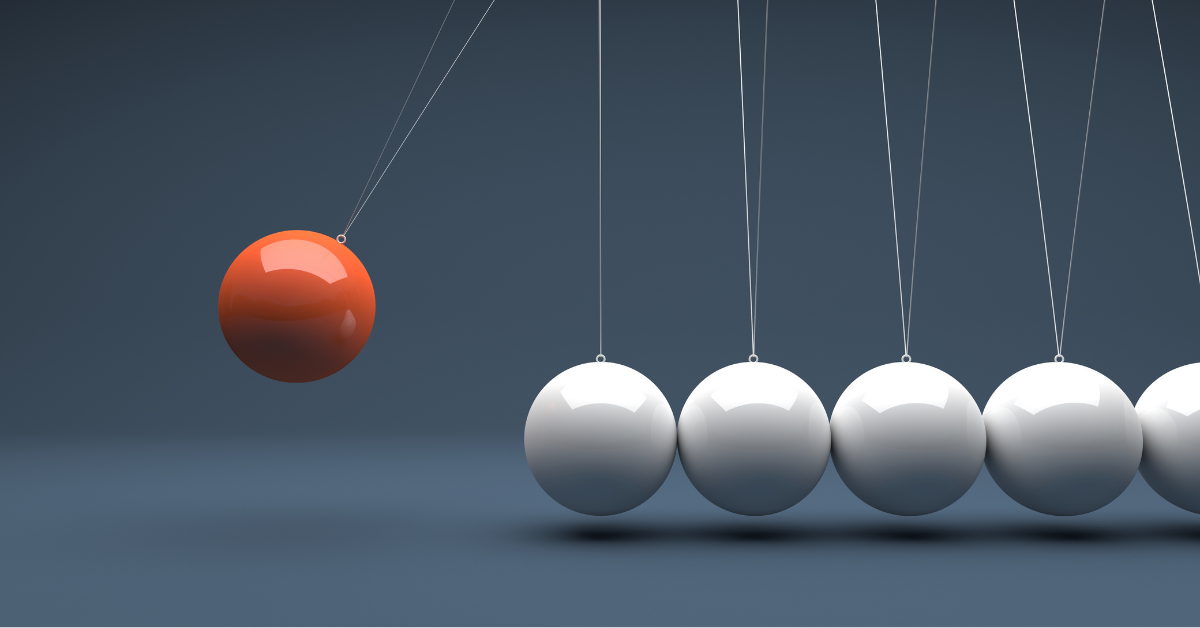
First, it’s essential to understand that toxic begets toxic (toxic behavior tends to breed more toxic behavior). This creates a harmful cycle in relationships.
Secondly, I recognize that I have the power to be accountable for my actions. I can acknowledge areas where I need improvement. This self-awareness enables me to step out of the toxic cycle, realize when people aren’t good for me, and move towards healthier dynamics.
Third, by embracing self-accountability, I can prioritize fostering healthy relationships. I don’t want to perpetuate toxicity towards others. It’s about taking responsibility for my own actions and ensuring that I contribute positively to the relationships around me.
I have work to do too.
Sincerely,
Elizabeth


Leave a Reply